Email: info@xtar.cc New Arrivals→

Film & Documentary Sound
Small field recorders capturing dialogue through XLR microphones and phantom power.

Email: info@xtar.cc New Arrivals→
Rechargeable 1.5V AA and AAA batteries and smart charging solutions for compatible field recorders, mixer-recorders and handheld audio recorders.
Explore actual recording runtimes on Zoom F3, Tascam FR-AV2 and Zoom H1essential — with phantom-power and microphone-load test conditions, not just advertised capacity.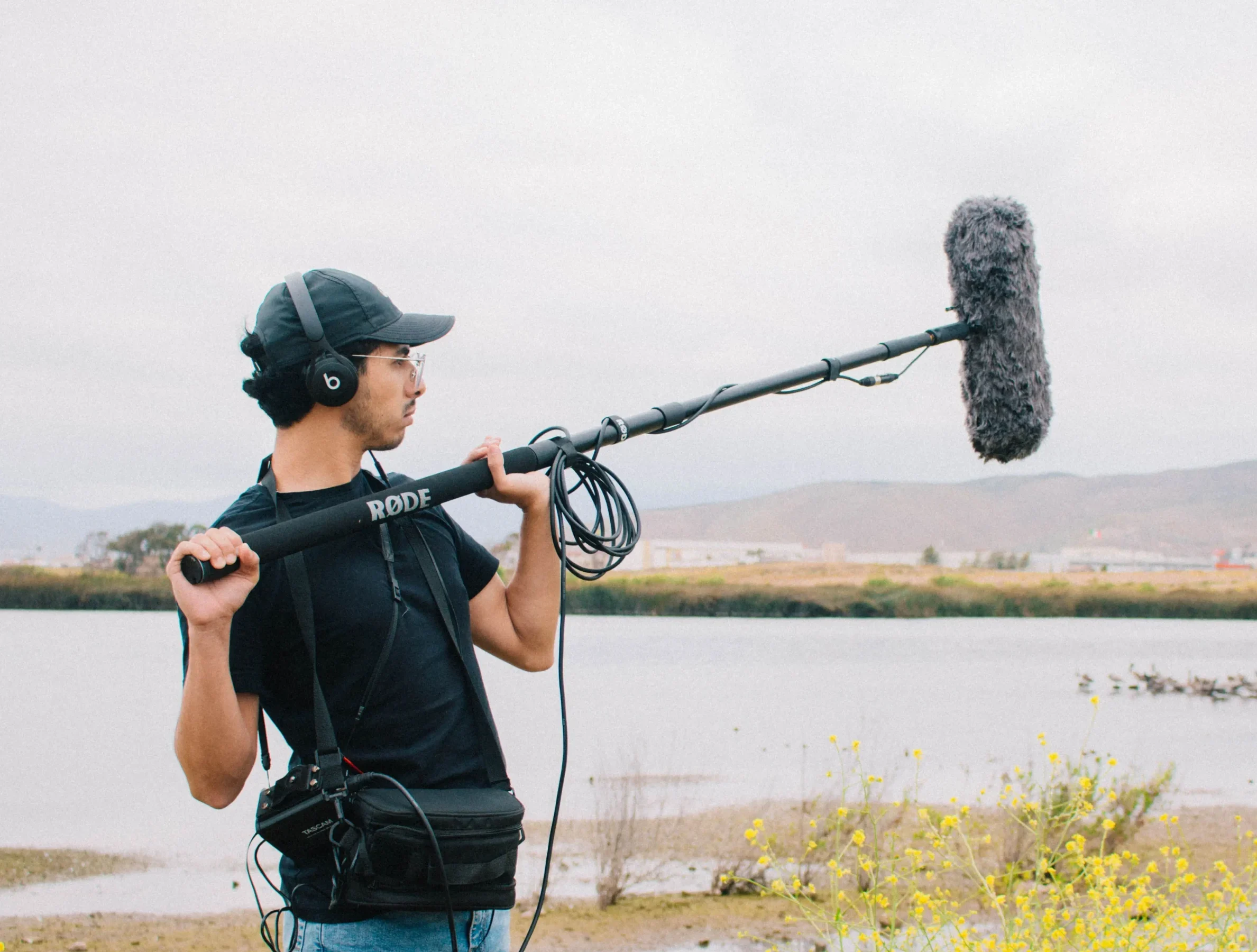
Field recording spans compact one-person kits and multi-device production workflows. The battery challenges are tied to how the recorder is powered and used — not the label on the equipment.
Small field recorders capturing dialogue through XLR microphones and phantom power.
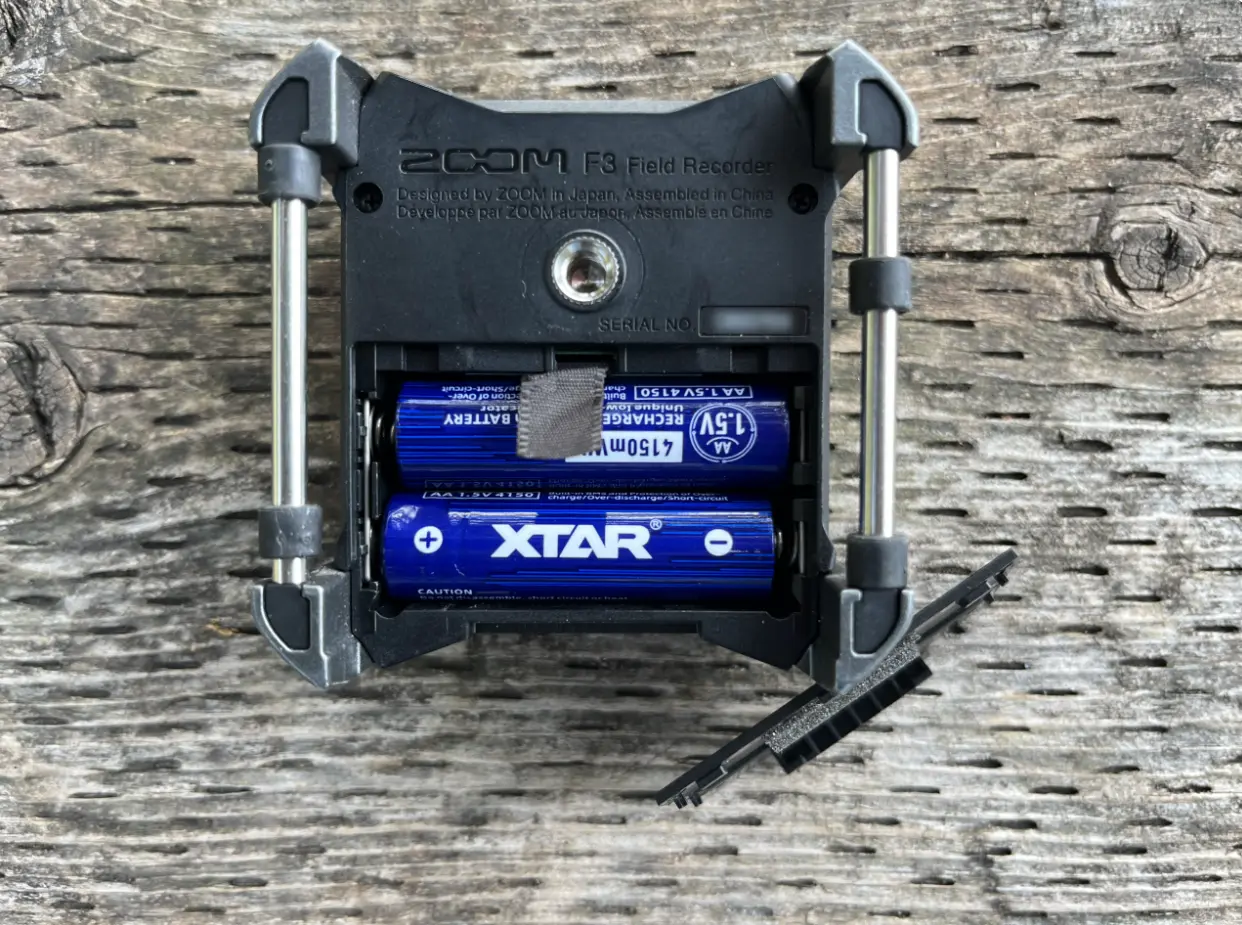
Lightweight AA/AAA-powered rigs with external microphones and extended takes.

Compact handheld recorders with built-in or plug-in-powered microphones.
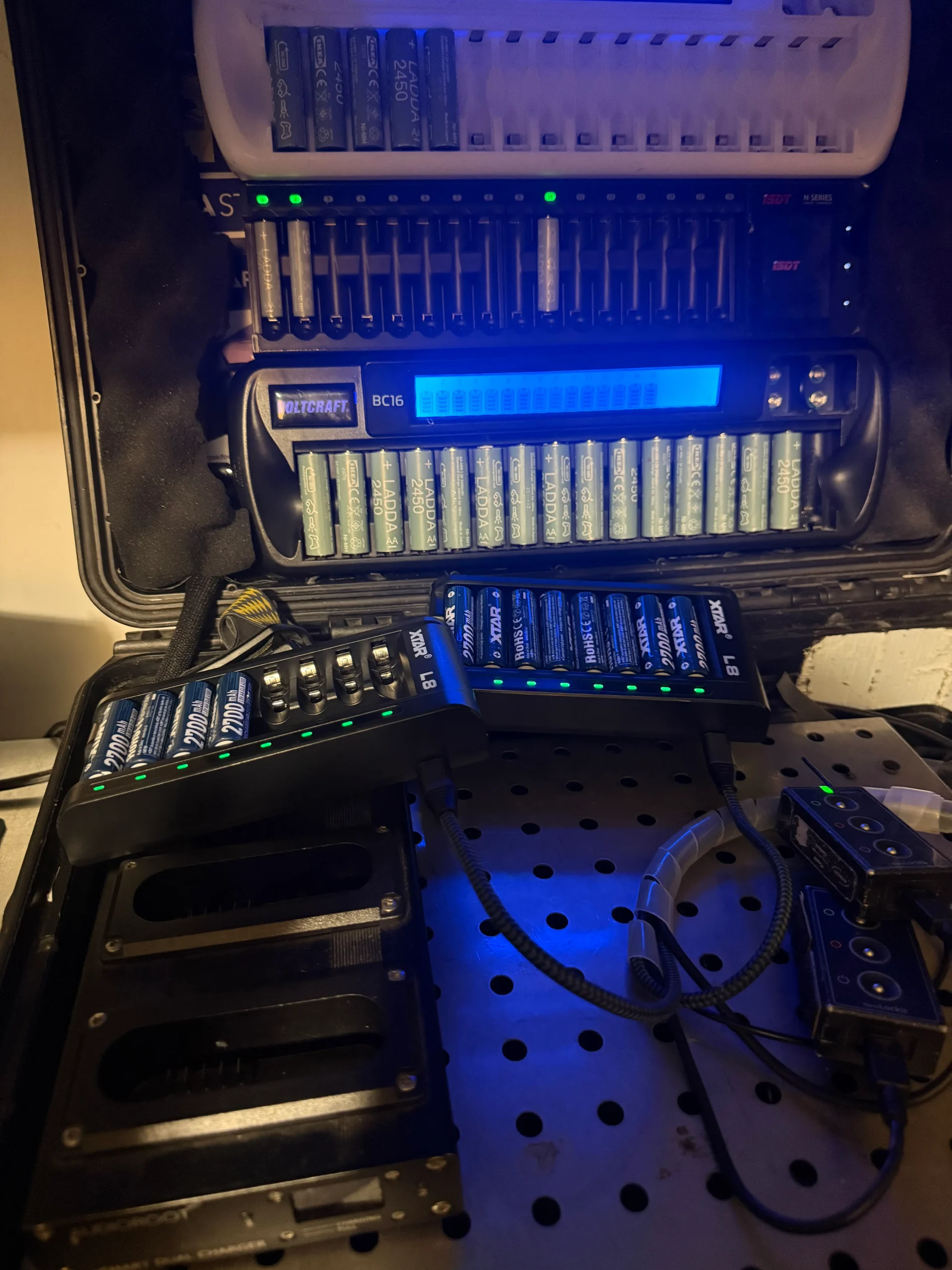
Multiple battery sets prepared, charged and rotated between recording assignments.
An interrupted take can be expensive. Recorder manufacturers, professional sound teams and rental departments need power options evaluated under actual recording workloads.
48V-powered condenser microphones draw energy from the recorder; microphone count and monitoring can substantially change runtime.
Different discharge profiles and recorder battery settings can change what the remaining-charge display tells the operator.
Battery format, voltage behavior, shutdown threshold and potential electrical interference should be checked on the actual recorder.
Multi-recorder kits need repeatable charging routines, identified charged sets and dependable supply across production days.
“Field recorder” describes the job, not one battery format. XTAR focuses here on replaceable AA- and AAA-powered models. Other recorders may use L-mount packs, proprietary batteries, USB power or external power distribution.
| Recorder family | Documented equipment examples | Battery configuration | What to validate |
|---|---|---|---|
| Compact field recorders | Zoom F3 | 2 × AA | Phantom-power draw, LCD state, cutoff and battery-type setting |
| Field / mixer-recorders | Tascam FR-AV2; Zoom F6; Sound Devices MixPre-6 | FR-AV2: 3 × AA; F6: 4 × AA; MixPre-6: 4 × AA sled or optional 8 × AA sled | Phantom-powered channels, higher current demand, alternative external power and model-specific AA approval |
| Compact handheld recorders | Zoom H1essential | 2 × AAA | Built-in vs external microphone, plug-in power and battery meter behavior |
Battery counts are from equipment manuals, not inferred from recorder size. Battery compatibility and supported chemistry must be confirmed for each model; MixPre equipment has specific manufacturer recommendations. Zoom F3 manual · FR-AV2 manual · MixPre power options.
For compatible battery-powered recorders, XTAR's core offering is rechargeable 1.5V AA Li-ion with two discharge behaviors. AAA 1620 covers supported smaller recorders. Selection starts with measured runtime, shutdown behavior and battery-meter readings on the target device.
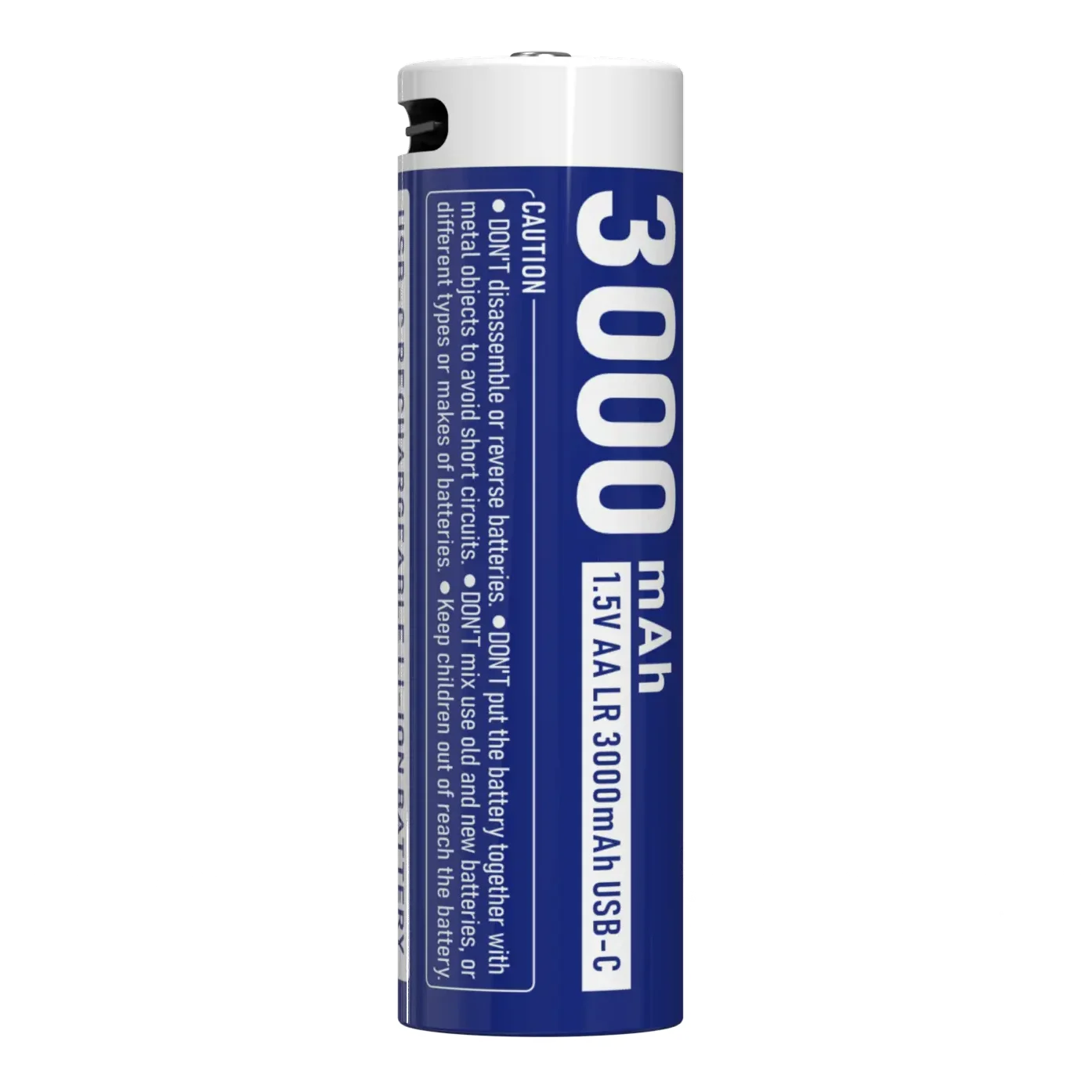
Pure linear voltage decline for devices that can use voltage trends to estimate remaining charge. Led the published Zoom F3 comparison under 48V phantom power.
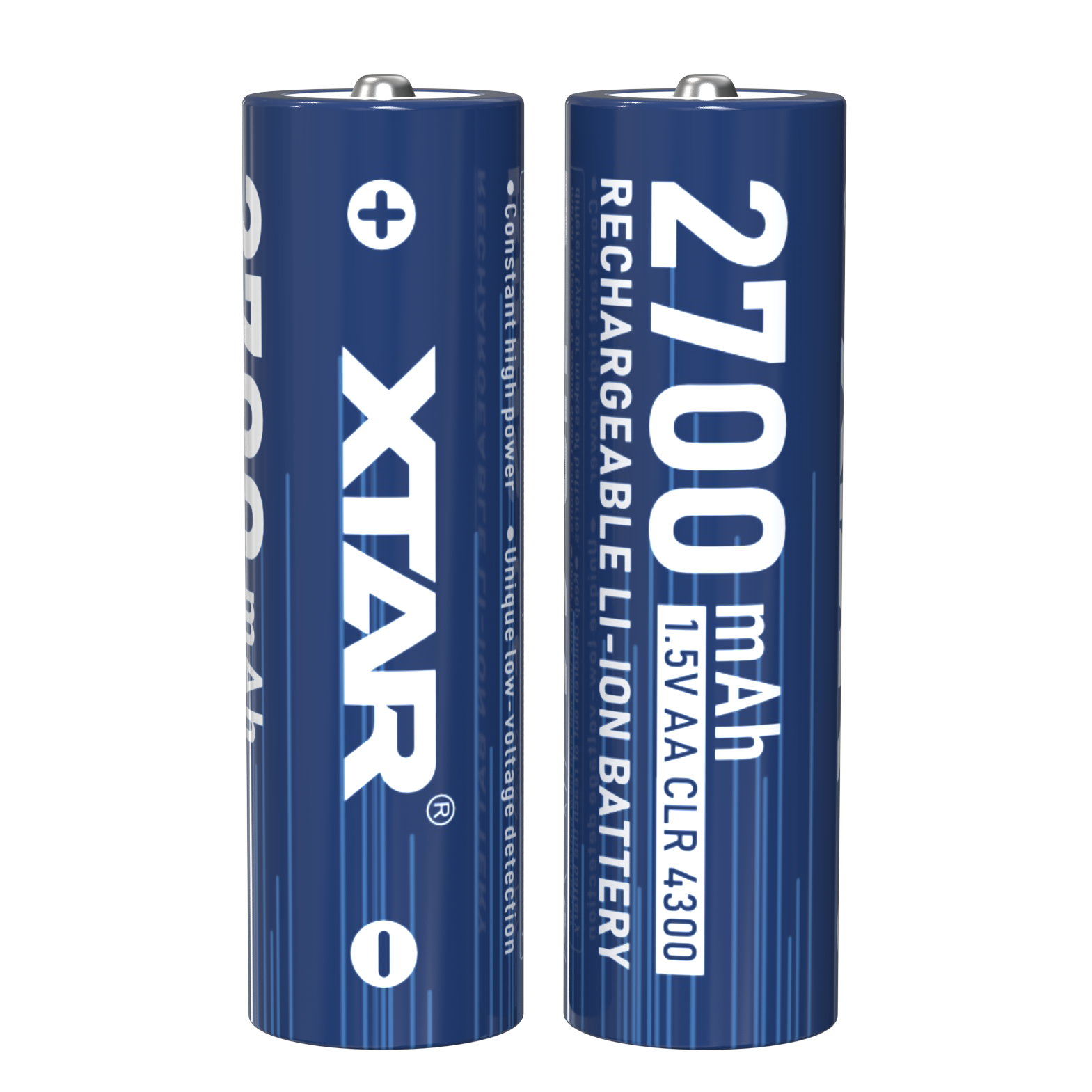
Regulated 1.5V stage followed by a linear end-of-discharge phase. Delivered the longest runtime in the published Tascam FR-AV2 battery comparison.
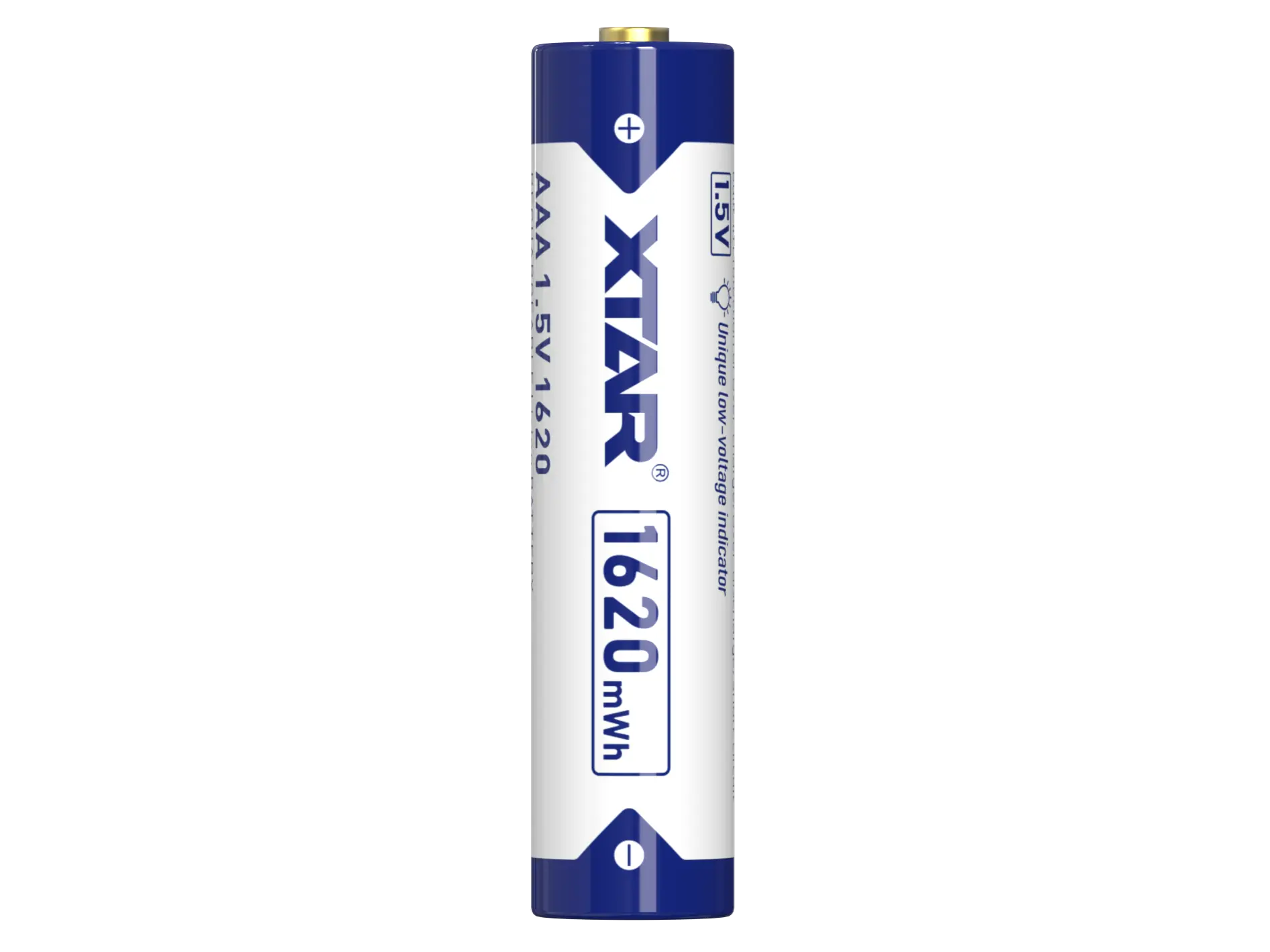
A 1.5V rechargeable option for supported AAA-powered recorders, with two published Zoom H1essential runtime comparisons using different microphones.
Neither a high-load label nor a capacity figure determines the winner on every recorder.
Discuss Recorder CompatibilityFor a production bag or rental fleet, the priority is practical: charge multiple sets, see which batteries are ready and reduce the need to manage separate charger types.
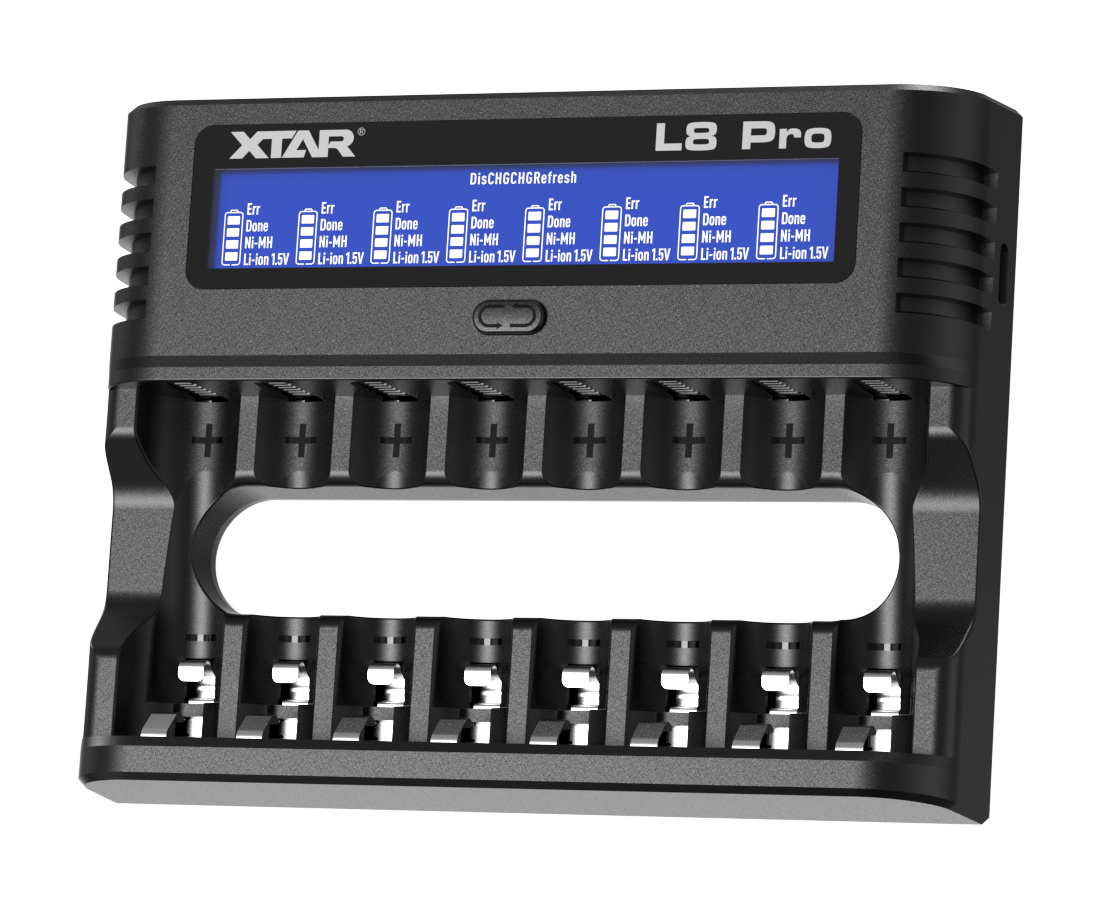
Supports compatible 1.5V Li-ion and 1.2V NiMH AA/AAA cells, with independent slots and an LCD for charging-status checks.
Prepare up to eight compatible AA/AAA cells per charging batch.
LCD helps crews identify charged batteries before call time.
Different charging methods for supported 1.5V Li-ion and 1.2V NiMH.
Safety protections and NiMH refresh functions; Auto-activated over-discharged batteries.
Published third-party tests let buyers compare battery performance under particular recorder settings. Below, each test keeps the model, battery chemistry, competitor and load together; results are not a cross-device ranking or guaranteed battery life.
Spark E Tech recorded continuously with 48V phantom power enabled and the screen backlight on, ending the test when the recorder shut down.
| Battery model | Battery chemistry | Reported runtime |
|---|---|---|
| XTAR LR 3000 USB-C | Rechargeable 1.5V Li-ion AA | 7h 36m |
| XTAR AA 4150 | Rechargeable 1.5V Li-ion AA · HighPower Series | 6h 16m |
| Panasonic Eneloop Pro | Rechargeable NiMH AA | 5h 26m |
| Energizer Max | Disposable alkaline AA | 3h 47m |
Reviewer: Spark E Tech · Original comparison video → · Detailed Zoom F3 test article →
Spark E Tech reported 48V phantom power on, medium display brightness, +24 dB gain and continuous 32-bit float / 96 kHz recording.
| Battery model | Type | Reported runtime |
|---|---|---|
| XTAR CLR 4300 | Rechargeable 1.5V Li-ion AA | 8h 06m |
| XTAR LR 3000 USB-C | Rechargeable 1.5V Li-ion AA | 6h 21m |
| Energizer rechargeable | NiMH AA | 5h 55m |
| Energizer alkaline | Disposable alkaline AA | 5h 05m |
| Duracell alkaline | Disposable alkaline AA | 4h 41m |
| GreatValue alkaline | Disposable alkaline AA | 3h 38m |
Reviewer: Spark E Tech · Original FR-AV2 video → · Detailed FR-AV2 test article →
Paul Virostek of Creative Field Recording compared AAA 1620 with Panasonic Eneloop Pro in two configurations on the same recorder model.
| Configuration | XTAR AAA 1620 | Eneloop Pro AAA | XTAR advantage |
|---|---|---|---|
| Built-in stereo microphone | 8h 26m 43s | 7h 10m 07s | +1h 16m 36s (+17.8%) |
| External Clippy with plug-in power | 8h 26m 04s | 8h 00m 28s | +25m 36s (+5.3%) |
Reviewer: Paul Virostek / Creative Field Recording · Read the field recording battery test →
Paul Virostek reported XTAR AA 4150 at 6h 28m 01s versus Eneloop Pro at 4h 07m 10s — approximately 57% longer with that field-recording rig.
Jeff Loch reported approximately 50% longer runtime with CLR 4300 than Eneloop, while noting the battery display remained high for much of the session. Full matching test settings were not provided in the summary.
The TeleDynes observed alkaline cells at around 1.4V and three battery bars down; CLR 4300 around 1.5V and almost full; LR 3000 around 1.5V with one bar down. This is a voltage/meter observation, not an end-to-end runtime test.
They support testing against the recorder's actual cutoff and battery indicator. They cannot establish a universal runtime ranking across different recorders or microphone loads.
Two reviewer videos show the actual test equipment and battery comparisons. Videos load only after a visitor clicks play.
Continuous recording under 48V phantom power, with the recorder display on.
Watch on YouTube →48V phantom power, 96 kHz / 32-bit float and six tested batteries.
Watch on YouTube →Evidence note: These are independently published, reviewer-reported results, not XTAR-controlled laboratory guarantees. Some reviewers received XTAR test samples. Compare runtimes only within the same device and test setup.
Field-recording buyers need reproducible device performance and dependable product supply — not another generic capacity claim.
In-house discharge-profile and charging-technology development, with engineering input for compatible recorder designs.
ISO 9001 manufacturing, 100% finished-product inspection and cell / PCB / capacity checks as applicable.
Named recorder models and independent comparisons, including phantom-powered and AAA handheld tests.
Standard catalog availability, US warehouse options for selected stock, technical documentation and OEM project evaluation.
Documentation may include ISO 9001, UN38.3, SDS, CE, FCC and RoHS as applicable; request files for the exact battery or charger model and destination. XTAR also reports product liability insurance coverage for its battery and charger lines.
Choose the purchasing path that matches your use: stocked battery and charger products, recurring supply for sound departments or battery/charger configuration for recorder brands.
AA/AAA rechargeable batteries and compatible multi-slot chargers, with product information, marketing materials and replenishment support.
Start with: relevant SKUs, market and planned order size.
Discuss standard pack configurations, spare-set planning, repeat purchasing and charger quantities for real recording schedules.
Start with: recorder models, units in service and monthly consumption.
Discuss packaging, logo, selected battery discharge characteristics and charger configuration subject to engineering feasibility.
Start with: electrical requirements, destination market and project volume.
OEM sample timing and production lead times depend on scope and approval. Battery supply, local warehouse availability, certification documents and final commercial terms are confirmed with sales.
Not necessarily. In some manuals, “lithium” refers to disposable 1.5V lithium primary cells. Check the recorder manufacturer's accepted battery chemistries, select the most suitable available battery mode and validate its battery meter, sound performance and shutdown behavior with XTAR samples before a bulk deployment.
It depends on the recorder. Constant-voltage + linear suits recorders that need high voltage and a precise low-battery warning; pure linear suits recorders that need the longest runtime and an accurate level display. In the published tests the constant-voltage + linear cell led on the Tascam FR-AV2 (8 h 06 min vs 6 h 21 min), and the pure linear cell led on the Zoom F3 (the other cell was not in that comparison). Request free samples to compare both on your own recorder.
Follow the recorder's manual. The setting changes when the recorder warns you and when it shuts down, so confirm it on a short recording before the shoot. Some of the audio engineers tested and found “Alkaline” battery-type setting can bring longer runtime than “lithium” when using XTAR 1.5V AA rechargeable batteries.
Spare lithium-ion batteries are generally carry-on only, protected against short circuits, with individual batteries up to 100 Wh; one CLR 4300 is rated 4.3 Wh. Rules differ by airline and country, so check before travel. UN 38.3 test reports are available on request.
Some regulated rechargeable cells contain power-conversion circuits that may interact with sensitive audio electronics. There is no universal noise-free guarantee. Test the recorder's noise floor and listen for hum, buzzing or interference with all intended microphones and operating settings before deploying a new battery type.
The target recorder model or electrical design, allowed cell dimensions, current draw, discharge/low-voltage behavior, charger requirements, target certification market and estimated annual volume. Standard OEM orders generally start at 1,000 pcs; higher-development projects require separate MOQ and feasibility assessment.