XTAR

XTAR

Rechargeable AA Lithium Batteries: Ideal Devices & Cost Benefits

In our daily electronic devices, AA and AAA batteries undoubtedly stand out as one of the most common power supply options. With the advancement of technology, 1.5V rechargeable lithium-ion batteries have emerged as the new favorite in this field. However, this new choice has also brought about some widespread misunderstandings regarding its applicability and performance.

What Affects the Lithium Battery Life and How to Calculate It

With the advent of 1.5V rechargeable lithium-ion batteries, an increasing number of users are turning their attention to related discussions, and battery life is one such topic of interest. We've observed comments on Amazon about the battery life of these cells compared to AA NiMH batteries. In this article, we will delve into the factors influencing battery life, how to calculate it, and some common FAQs.

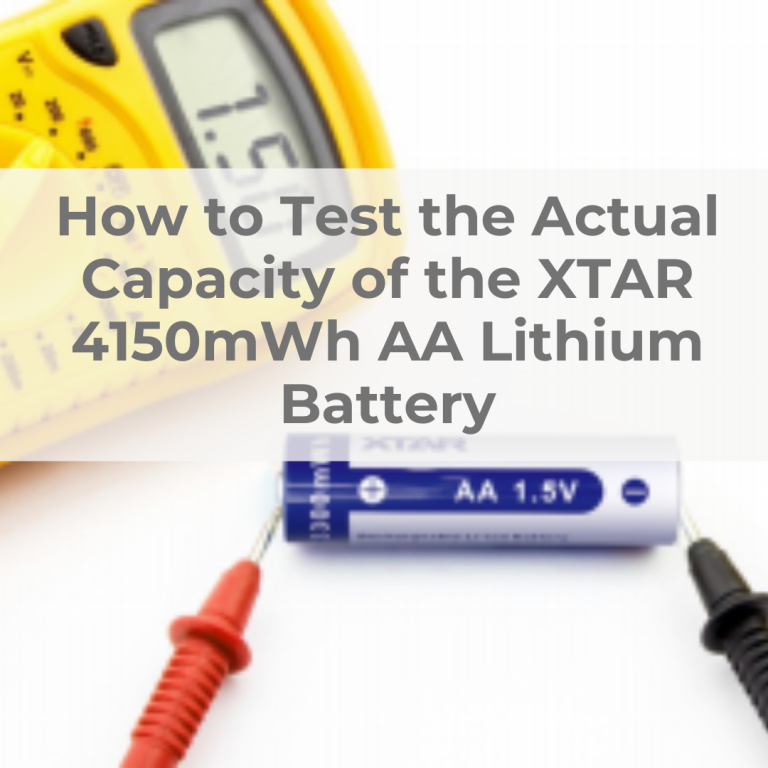
How to Test the Actual Capacity of XTAR 4150mWh AA Lithium Battery?

The actual capacity of a battery has always been one of the most important factors for users. After XTAR introduced the 1.5V 4150mWh lithium battery, we have received questions from users about how to test its capacity by themselves. This post will go through how to test the actual capacity of the XTAR AA 4150mWh battery as well as the elements that affect capacity measurement.

Demystifying Battery Ratings: mAh vs. mWh

In the world of batteries, two important metrics come into play: mAh (Milliampere-hours) and mWh (Milliwatt-hours). These ratings are critical for choosing the right battery for your specific needs, whether you're powering flashlights, RC cars, toys, household devices, VR games or outdoor equipment. In this post, we'll delve into the details of mAh and mWh, providing you with a clear understanding of what they mean and how to make informed battery choices.

Contact Us Now!


    For after-sale, please provide your warranty number and order date to get faster customer service.

    Subscribe